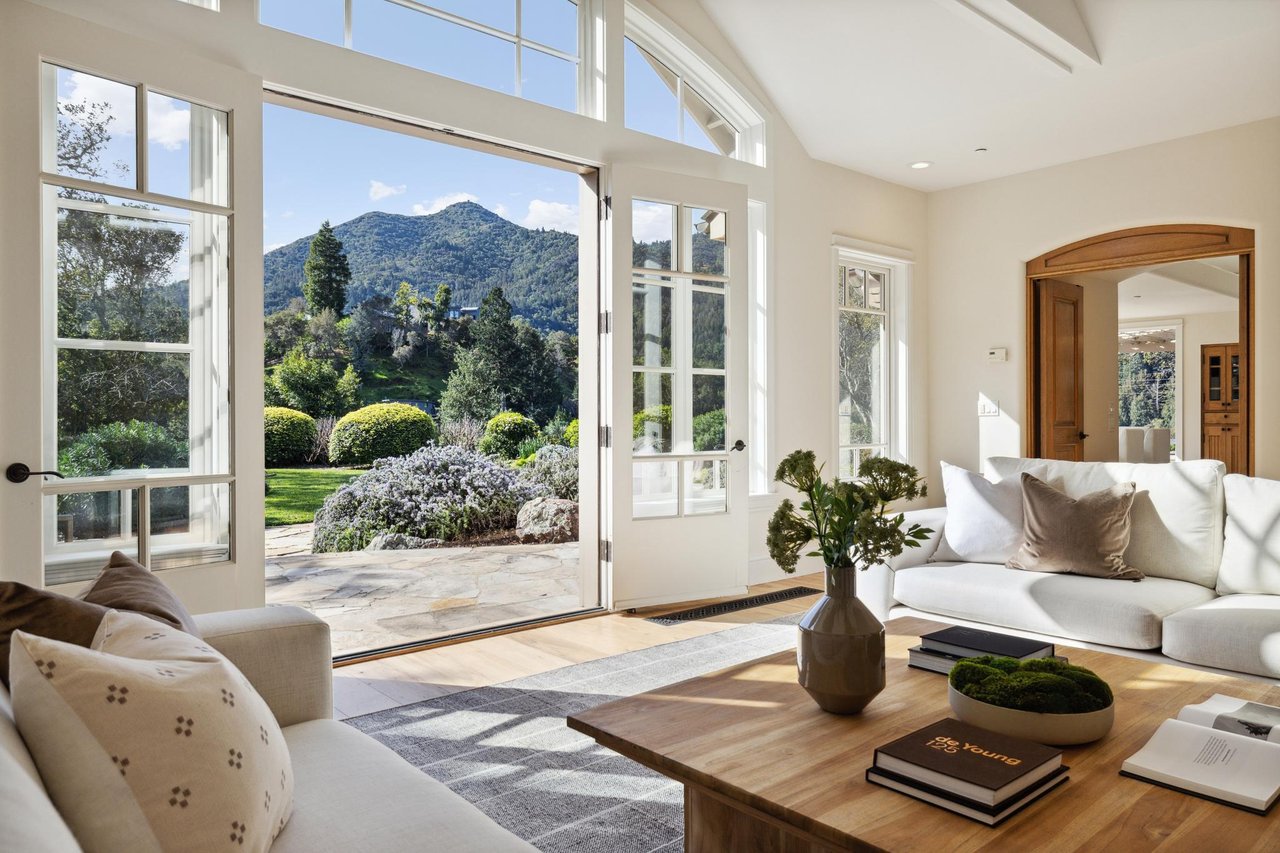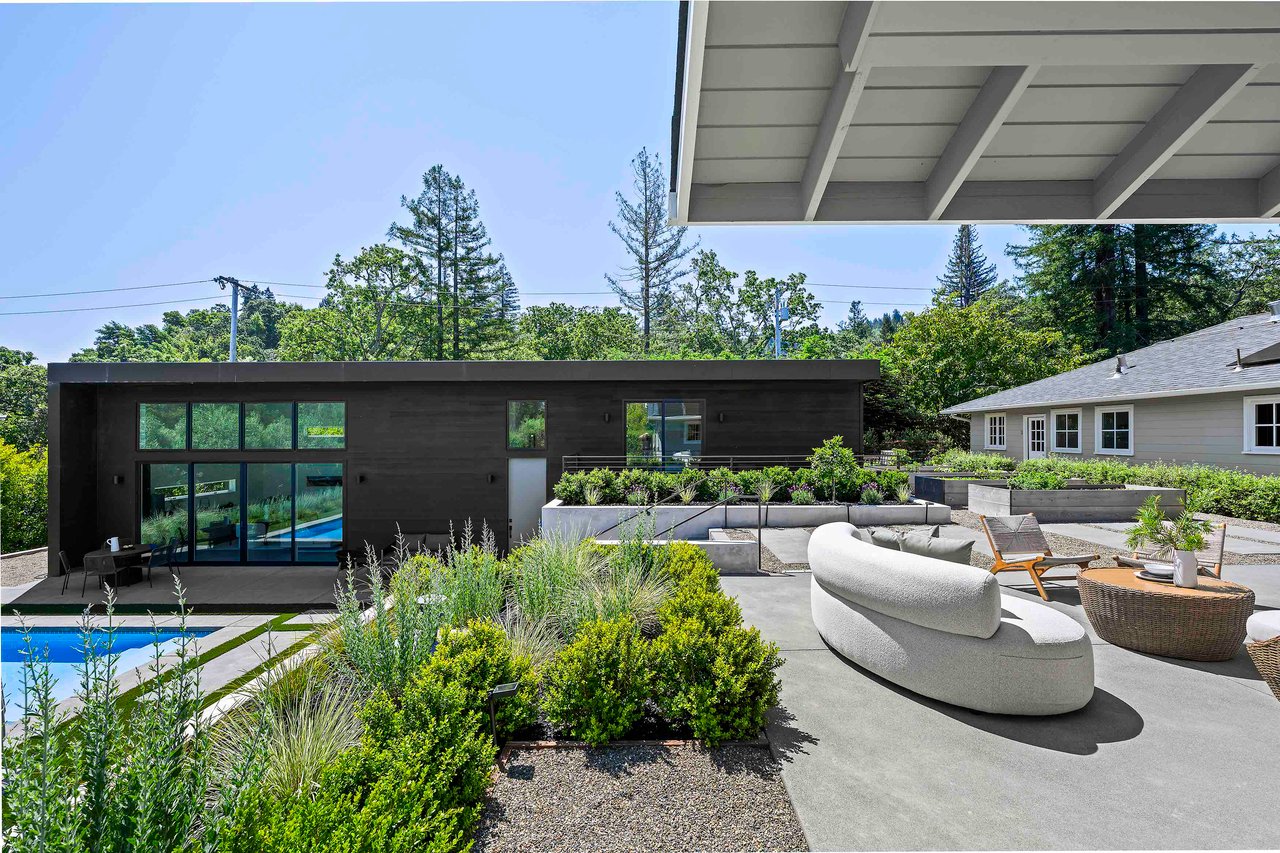
In Marin, buyers expect move-in ready. The homes that generate the strongest offers — and sell closest to asking — are the ones that arrive on market looking genuinely finished, not just cleaned up.
But before the contractors, the stagers, and the photographers, there's a step that no project plan accounts for — and it's the one that takes the longest.
Before the contractors arrive
The longest part of selling your home isn't the renovation. It's letting go.
Every seller's timeline I've ever worked with has one phase in common that no project plan can fully account for: the time it takes to edit a home of a lifetime's worth of living. The furniture you've had since your first apartment. The children's artwork still tucked in a drawer. The garden you planted fifteen years ago that now belongs, emotionally, as much to you as to the soil.
Deciding what stays, what goes to family, what gets donated, and what simply needs to leave is both physically demanding and genuinely emotional work. It rarely happens on schedule — and it shouldn't have to. Most owners underestimate how long this process takes, and the stress of rushing it compounds every other decision that follows.
My strong advice: begin the editing process early, and lean on your agent from the start. A good agent isn't just a transaction guide — they're a resource for connecting you with the right people to help at every stage of this process, from estate organizers and donation coordinators to senior move managers and trusted haulers. You don't have to figure out who to call or in what order. That's exactly what we're here for — and the earlier we're involved, the smoother every step that follows becomes.
Once you're ready: The six-week preparation framework
Week 1: Contractor Mobilization & Flooring Installation Starts
Flooring is always the first trade in. Hardwood, LVP, or tile installation begins immediately so that every trade that follows works over completed, protected floors — no rework, no drips, no damage. Materials are ordered in advance with lead times confirmed before any scheduling begins. Countertop template measurements are taken at this stage if applicable.
Week 2: Flooring complete; interior painting starts
With floors finished and protected, painters enter to work walls, ceilings, and trim. Working over completed flooring means painters can do precise cut-ins immediately and handle touch-ups without worrying about drips on unfinished surfaces. Cabinet painting and any millwork refreshes happen in tandem.
Week 3: Painting complete; light fixtures & countertops Installed
All painting is finished before a single fixture is hung — no masking around new hardware, no risk of paint on finished pieces. Light fixtures and cabinet hardware go in. Countertop slabs are set and plumbing reconnected. Final paint touch-ups follow after all trades have completed their work.
Week 4: Punch list & Contractor sign-off
A final walk-through with each contractor identifies and corrects any deficiencies before they leave the property. The home is now trade-free. All construction debris is removed, and any remaining personal items are consolidated. The property is handed off clean and ready for the preparation sequence.
Week 5:
Day 1: Deep clean, windows & power washing
The full post-construction deep clean comes first — all interior surfaces scrubbed, interior windows cleaned including tracks and sills, exterior windows washed, driveway and hardscape power washed, front entry detailed. Every surface is spotless before staging or landscaping touches the property.
Day 2: Yard & Curb appeal
The landscaping crew handles the final mow, edge, blow, and bed cleanup. Fresh bark or mulch where needed. Front entry is detailed with pots and seasonal color as appropriate. The exterior is fully camera-ready before staging begins inside.
Day 3 to 4: Professional Staging
The staging team installs furniture, art, and accessories into a freshly cleaned, fully finished home. Staging into a clean property — rather than cleaning around staging — produces a noticeably better result. Allow six to eight hours minimum for larger homes; the stager returns for a final styling pass on day four. Nothing should enter or leave the property after staging is complete.
Week 6:
Day 1: Photography & Video
Professional photography and videography in a single on-site session: interior stills, twilight exterior shots, drone footage, and a walkthrough video. This happens last, after everything else is perfect and nothing will be moved again.
Days 2 to 3: Photo & video editing turnaround
Edited photos and video are delivered within 48 hours. Selects are reviewed, any re-edits requested, and the final image set approved for upload. Listing copy and MLS drafts are finalized during this window so there's no delay between delivery and going live.
Day 4: Marketing setup & MLS live
The listing goes active with photos uploaded and copy locked. Syndication to Zillow, Realtor.com, and all partner sites fires simultaneously. The email campaign, social posts, and property website launch on the same day — a coordinated, single-moment debut.
The Sequence is the strategy
Most preparation timelines fail not because of the work itself, but because trades are scheduled in the wrong order, fixtures hung before painting, staging booked before cleaning, photographers arriving before the yard is touched. The six-week framework above builds in the right sequence by design, so every trade hands off cleanly to the next and the home hits the market in it's best possible condition.